Blocked drains
Blocked drain signs, causes and what to do
A blocked drain can cause a range of problems in your home. The most common sign is water draining away slowly from your sinks, toilets, baths, or showers. You may also notice gurgling sounds when water goes down the plughole, unpleasant smells coming from your drains, or water backing up into your home.
If you have a blocked drain, the first thing to work out is who is responsible for it. In most cases, drains or sewers within your property boundary that only serve your home are your responsibility. Shared sewers, or drains and sewers outside your property boundary, are likely to be our responsibility.
If you’re unsure where the blockage is or who is responsible for fixing it, find out more about sewer pipe responsibility.
If the blockage is in or on your property
If the blockage is in a private drain, you’ll need to arrange for it to be unblocked.
- If the problem is inside your home, such as a blocked toilet, sink, or shower, you’ll need a plumber.
- If the blockage is in a drain or sewer within your property boundary that only serves your home, you'll need a drainage contractor.
A plumber or drainage specialist can find the cause of the blockage and clear it safely. You can find trusted local tradespeople through websites such as Checkatrade.
If the blockage is in a public or shared sewer
If the sewer is taking waste away from more than one property, or the problem appears to be outside your property boundary, it’s likely to be our responsibility.
If you think the blockage is in a public or shared sewer, please call us on 0345 717 1100. We'll arrange for one of our teams to investigate and fix the problem. We aim to attend reports of blocked sewers within four hours.
What causes blocked pipes and drains?
Items such as wet wipes, excessive toilet paper, and cooking fats are the most common causes of blockages.
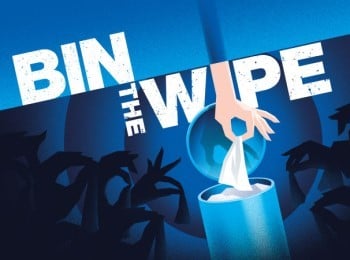
Wet wipes are a major cause of blockages. Even if they are labelled “flushable”, they can still clog pipes and cause problems inside your home, in our communities, and in the environment. Many wipes contain plastic and don't break down in water like toilet paper.
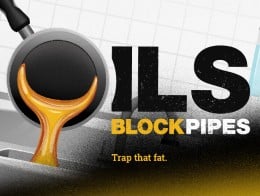
Cooking oils and fats also cause blockages. They stick to the inside of pipes and harden over time. The more they are poured down the plughole, the more build-up they create.
How to prevent blocked pipes and drains
Here are some ways to help prevent blocked pipes and drains:
- Only flush toilet paper, pee and poo down the toilet. Bin everything else.
- Use a bin in your bathroom for all types of wet wipes, sanitary products, nappies, and cotton buds.
- Allow oils and fats to cool. Scrape oils from your pots, pans, and plates into the bin before washing them.

Home emergency cover
Cover for unexpected problems, such as, burst pipes, blocked drains, leaking taps and toilets
Find out more with HomeServeAre you sure?
Changes are waiting to be saved